My dog got stung by a bee: what to do next
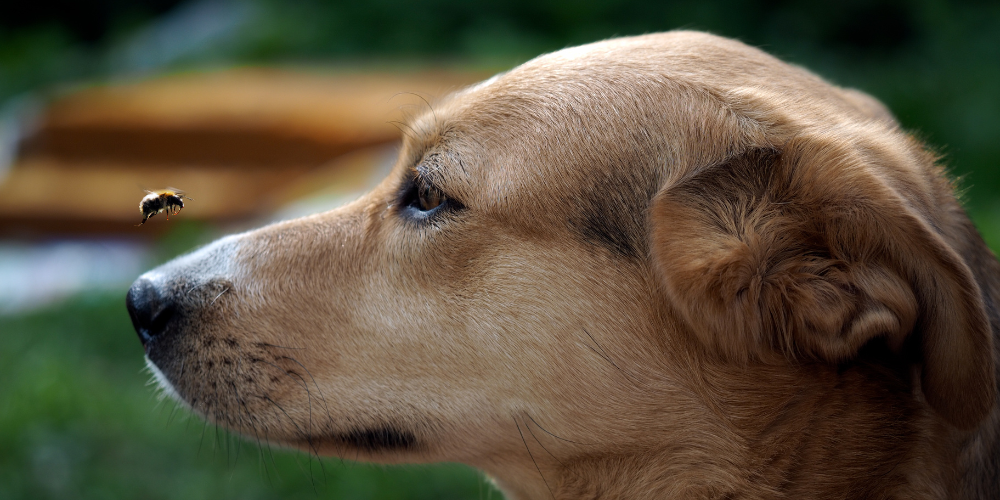
Spring means warm days, blooming flowers and buzzing bees. For curious dogs, that buzz can be irresistible and sometimes ends with a painful sting. If your dog gets stung by a bee, knowing what to do quickly can make all the difference.
Most stings are more painful than dangerous, but some can cause serious allergic reactions. In this guide, we will go through how to spot a sting, what you can do at home and when to get help from your vet.
How to spot a bee sting in dogs
Dogs usually make it obvious when they have been stung. Look for:
- sudden yelp or cry during play outside
- licking, chewing or biting one spot
- redness or swelling, especially on paws or face
- limping if the paw is affected
- pawing at the face or rubbing it along the ground
If the sting is inside the mouth or throat, you might see drooling, gagging or noisy breathing. Treat this as urgent.
First aid for a dog bee sting
If your dog gets stung, stay calm and follow these steps.
- Move them somewhere quiet
A calm dog is easier to help, and excitement can make swelling worse. - Check for a stinger
Honeybees leave a barbed stinger behind. If you can see a small black splinter, scrape it out gently with a bank card or fingernail. Avoid pinching it, as this can push in more venom. - Apply a cold compress
Use a wrapped ice pack or cool cloth for 10 minutes on, 10 minutes off to help with pain and swelling. - Stop the licking and scratching
Licking can make swelling worse and lead to infection. If needed, use an e-collar or a clean sock over a paw. - Monitor closely
Most mild stings improve within 12 to 24 hours.
Never give human pain relief such as ibuprofen, aspirin or paracetamol. These can be toxic to dogs.
When to call the vet
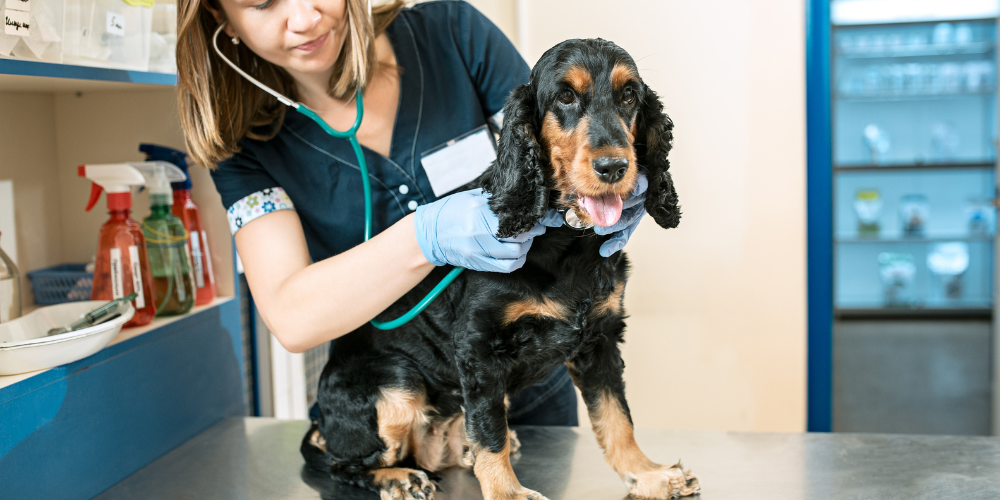
Get veterinary help straight away if your dog:
- is stung on the face, inside the mouth or throat
- develops swelling that spreads quickly
- has hives, widespread redness or intense itching
- vomits, has diarrhoea or collapses
- has trouble breathing, pale gums or seems weak or confused
- is very young, elderly or has pre-existing health problems
Multiple stings at once can also be dangerous.
Can I give my dog an antihistamine?
Only if your vet has recommended it for your dog and has confirmed a safe dose. Not all antihistamines are safe for pets, and some contain other ingredients that can cause harm. Call your vet first if you are not sure.
Aftercare over the next day
Once the initial swelling has eased:
- keep using a cold compress a few more times during the day
- keep exercise light until your dog is comfortable
- check the sting site twice a day for infection
- clean the area gently if needed
- contact your vet if swelling or pain worsens after 24 hours
How to prevent bee stings in dogs
You can reduce the risk with a few simple steps:
- mow lawns regularly and avoid flowering clover patches
- pick up fallen fruit that attracts insects
- keep bins closed
- supervise your dog around gardens and flowering plants
- teach a “leave it” command so they avoid buzzing insects
- use dog boots in high bee areas if needed
Summary
If your dog gets stung by a bee, remove any stinger you can see, apply a cold compress and stop them from licking or scratching. Watch closely for signs of a serious reaction such as swelling in the face, breathing changes or vomiting, and contact your vet immediately if you are concerned. Quick action will help your best mate recover and get back to enjoying the warmer days.