
Get $10 Off Your First Order*
Sign up to receive exclusive content, pet health advice and much more.
*Enjoy a one-time offer with a minimum spend of $100.
Checkout using your account
Checkout as a new customer
Creating an account has many benefits:
Puzzle toys challenge your dog's problem‐solving skills, offering mental enrichment that combats boredom and reduces anxiety. These toys encourage your dog to think and work for rewards, boosting confidence and preventing destructive behaviours by keeping their mind engaged. Dogs that enjoy problem‐solving often find puzzle toys highly rewarding, leading to calmer demeanours indoors.
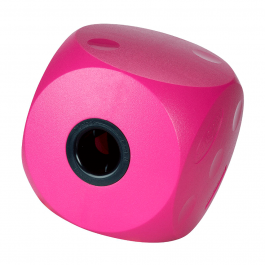
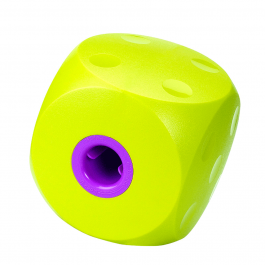
Common puzzle toys include treat‐dispensing balls that roll away as your dog nudges them, hide‐and‐seek boards where treats are hidden under flaps, and interactive feeding mats that require licking and nose work. Some advanced puzzles incorporate sliding compartments, levers, or rotating discs to reveal hidden treats. Choose complexity based on your dog's experience—start with beginner puzzles and gradually increase difficulty as they become proficient.
Begin with simple designs: show your dog how treats are hidden and encourage them to nudge or paw the puzzle to retrieve snacks. Offer praise and guidance during initial attempts to build positive associations. As your dog masters basic puzzles, introduce intermediate levels that require multiple steps, rewarding them at each successful action. Always supervise puzzle play to ensure safety and prevent frustration.
Clean puzzle toys after each use—wash removable components with warm, soapy water and rinse thoroughly. Inspect for cracked plastic or loose parts, replacing damaged pieces promptly. Rotate puzzle toys every few weeks to maintain novelty—dogs can lose interest if the same puzzle remains in constant rotation. For hygiene, avoid sharing puzzle toys between multiple dogs without washing in between to prevent cross‐contamination.