If you have ever caught your dog locking eyes with you mid-poop and thought, “Why are we doing this?”, you are not alone. It is one of those awkward but very common moments of pet ownership. As strange as it feels, there is usually a perfectly normal reason behind it.
Dogs do not stare out of embarrassment. In fact, that intense eye contact often says more about trust, instinct, and comfort than anything else.
Pooping is a vulnerable moment for dogs
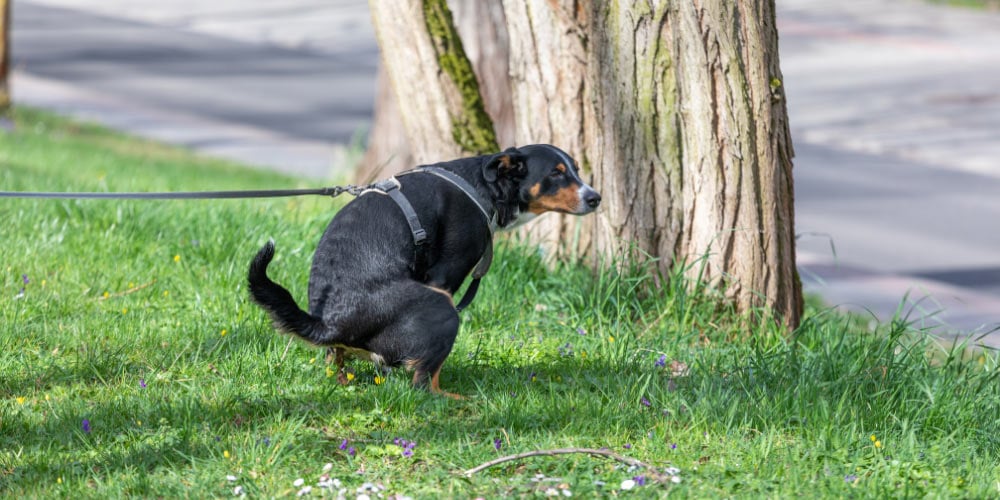
When a dog is pooping, they cannot move quickly. Their focus is split, and their body is in a position that makes them less able to react if something startles them. Even though your backyard or local park feels safe, your dog’s instincts do not just switch off.
Staring at you can be your dog’s way of checking that the environment is safe. They are making sure nothing is sneaking up on them and that their trusted human is nearby.
Your dog trusts you to keep watch
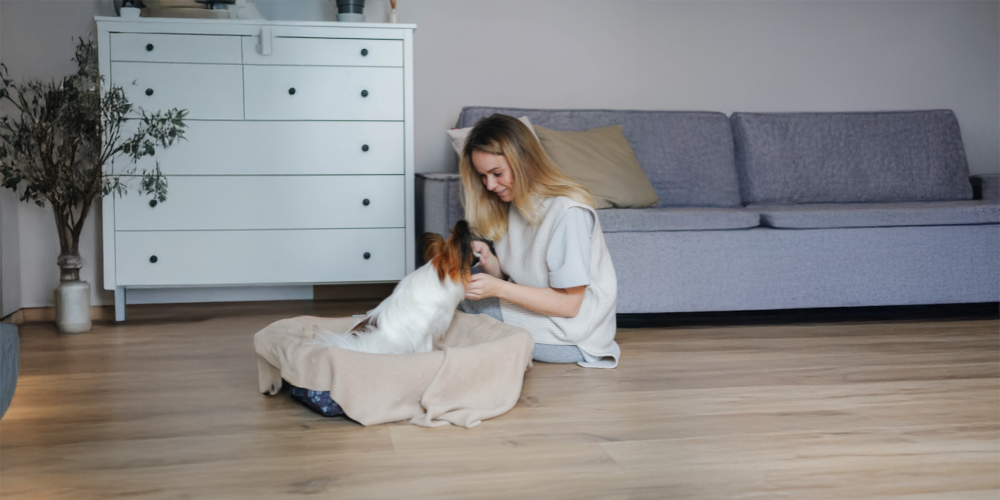
Dogs are social animals. They rely on their group for safety, even during activities that seem private to us. If your dog looks at you while pooping, it often means they trust you to have their back.
In their mind, you are the lookout. They are doing their business, and you are there to make sure nothing weird happens. It is actually a sign of a strong bond, even if it feels awkward.
They have learned your routine
Dogs are very good at picking up patterns. If you always stand nearby, wait patiently, and then head back inside once they are done, your dog learns that this is a shared routine.
Some dogs also associate toileting with praise. If they were rewarded or encouraged during toilet training, they may look at you as if asking, “Is this the right spot?” or “Did I do it properly?”
They are checking how you feel
Dogs constantly read human body language. They notice tone, posture, and facial expressions more than we realise. If your dog senses tension or distraction, they may stare to check your reaction.
This is especially common in new environments, busy areas, or when other dogs or noises are around. Your calm presence can help them feel relaxed enough to finish.
Sometimes the stare can mean discomfort
Most of the time, staring is harmless. But if it comes with signs of strain or distress, it could be your dog asking for help.
Things to watch for include:
- Straining for a long time without much result
- Hard, dry stools
- Diarrhoea that lasts more than a day
- Whining, yelping, or a tense posture
- Blood or mucus in the stool
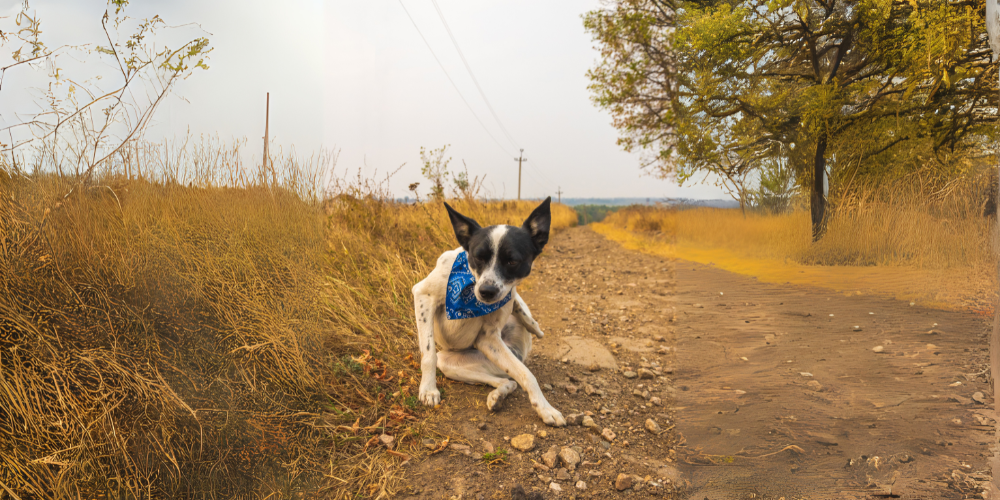
- Scooting or excessive licking afterwards
If your dog looks uncomfortable rather than relaxed, it is worth paying attention.
Constipation and tummy upsets
Toileting should not look like hard work. Constipation can be caused by dehydration, lack of fibre, not enough exercise, or eating something they should not have. Diarrhoea can be triggered by diet changes, stress, parasites, or scavenging on walks.
If your dog is staring at you while struggling to poop, that eye contact may be a quiet way of saying something is not right.
Comfort and confidence play a role
Some dogs like privacy. Others prefer company. If your dog toilets faster when you are nearby, it may simply be because you make them feel safe.
Puppies, rescue dogs, and anxious dogs often look to their owners for reassurance. As their confidence grows, the staring usually fades.
What should you do?
In most cases, nothing at all. Stay calm, avoid rushing them, and let them finish in their own time.
A few simple tips:
- Avoid pulling the lead while they are mid-toilet
- Stick to a consistent routine
- Monitor changes in stool or effort
- Pick up and move on like it is no big deal
When to speak to your vet
If your dog shows signs of pain, repeated constipation, ongoing diarrhoea, or sudden changes in toileting habits, it is a good idea to contact your vet. You know what is normal for your dog, and early advice can prevent bigger issues.
Summary
Your dog staring at you while pooping is usually normal behaviour driven by instinct and trust. They feel vulnerable in that moment and rely on you for reassurance. If the stare comes with straining, pain, or changes in stool, it may be worth checking in with your vet.