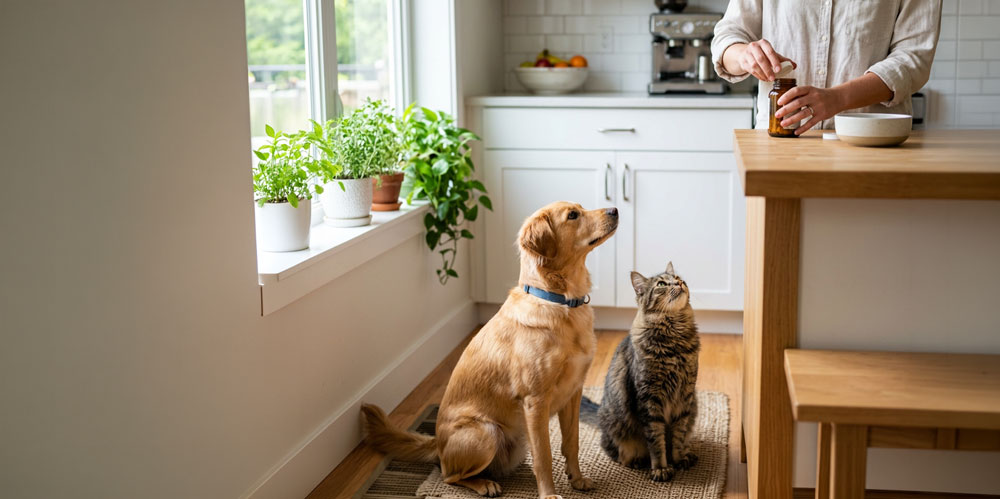
There's no denying that the cost of owning a pet has increased over the past few years. From food and parasite prevention to grooming, dental care and unexpected vet visits, the bills can quickly add up.
Fortunately, saving money doesn't have to mean compromising your pet's health. In fact, many of the best ways to reduce costs involve preventative care and making smarter purchasing decisions before problems arise.
Here are some practical ways to save money while still giving your pet the care they deserve.
1. Prevention Is Almost Always Cheaper Than Treatment
One of the biggest mistakes pet owners make is stopping flea, tick, heartworm or worm prevention to save money. While it may reduce expenses in the short term, treating parasite-related illnesses is often far more expensive than preventing them.
Consistent parasite prevention helps protect your pet from serious health issues that may require veterinary treatment, medications and ongoing care.
2. Buy the Right Pack Size
Don't just compare the shelf price. Compare the cost per dose.
Multi-packs often work out cheaper over time than purchasing individual treatments every month. If your pet uses the same product year-round, buying a larger pack can provide better value.
Just make sure you'll use the product before it expires.
3. Stick to a Preventative Care Routine
Simple routines at home can help prevent expensive health issues later.
- Brush your dog's teeth regularly.
- Check ears for redness or debris.
- Brush their coat to reduce matting.
- Keep nails trimmed.
- Monitor lumps, bumps and skin changes.
Finding problems early often means they're easier and less expensive to manage.
4. Don't Overfeed
Many pets receive more food than they actually need. Not only can this contribute to obesity and related health conditions, but it also means you're buying food more frequently.
Measure meals using a measuring cup and follow feeding guides based on your pet's age, weight and activity level. If you're unsure how much they should be eating, ask your veterinarian.
5. Think Before Buying Supplements
Not every pet needs every supplement available.
Joint, skin, calming and digestive supplements can be beneficial for some pets, but healthy animals eating a complete and balanced diet may not require additional products.
If you're unsure whether a supplement is appropriate, speak with your veterinarian before purchasing.
6. Rotate Toys Instead of Buying New Ones
You don't need a constant supply of new toys to keep your pet entertained.
Store a selection away and rotate them every week or two. Old toys often feel brand new once they've been out of sight for a while.
You can also create enrichment at home using puzzle feeders, scent games or hiding treats around the house.
7. Learn Basic Grooming
Regular brushing at home helps reduce loose hair, prevents tangles and keeps coats healthier between professional grooming appointments.
Checking ears, cleaning around the eyes and maintaining nails can also reduce the need for more frequent grooming visits.
Always use products designed specifically for pets.
8. Plan Ahead Instead of Shopping Last Minute
Running out of food or parasite prevention often results in rushed purchases and fewer opportunities to compare prices.
Setting reminders when products are running low allows you to shop around, purchase during promotions and avoid unnecessary stress.
9. Build a Small Pet Emergency Fund
Unexpected accidents and illnesses happen.
Putting aside even a small amount each week into a dedicated pet savings account can make unexpected veterinary expenses much easier to manage.
10. Don't Ignore Small Health Changes
Waiting to see if a problem goes away can sometimes result in more complicated and expensive treatment.
If your pet develops ongoing vomiting, diarrhoea, limping, skin problems, changes in appetite or unusual behaviour, it's best to seek veterinary advice sooner rather than later.
Spend Smarter, Not Less
Saving money on pet care isn't about buying the cheapest products or skipping important treatments. It's about planning ahead, investing in preventative care and making informed decisions that keep your pet healthier in the long run.
A little planning today can help reduce unexpected costs tomorrow while giving your pet the best chance of a long, happy and healthy life.