One minute your dog is completely themselves. The next, they won't eat dinner, they're unusually quiet, they've vomited or something just doesn't seem right.
It's a situation that can leave any dog owner wondering: Do I wait and see, call the vet, or is this an emergency?
Dogs can't tell us exactly what's wrong, and the same symptom can have many different causes. While you don't need to panic every time your dog has an off day, knowing what to check and which warning signs shouldn't wait can help you make a safer decision.
Here's what to do when your dog suddenly seems unwell.
First, Stop and Look at the Whole Picture
Before focusing on one symptom, take a moment to look at how your dog is behaving overall.
Ask yourself:
- Are they alert and responding normally to you?
- Are they eating and drinking?
- Can they stand and walk normally?
- Are they breathing comfortably?
- Have they vomited or had diarrhoea?
- Are they urinating normally?
- Do they seem painful, restless or unusually withdrawn?
- Could they have eaten or been exposed to something they shouldn't have?
A dog that skips one meal but is otherwise bright, drinking and behaving normally is very different from a dog that refuses food, won't get up and seems weak.
You know your dog's normal behaviour better than anyone. A sudden change that feels significant is worth paying attention to.
Your Dog Won't Eat
Dogs can occasionally turn down food for relatively minor reasons, but a sudden loss of appetite can also accompany pain, gastrointestinal problems, dental issues, infection and many other conditions.
Pay attention to what happens alongside the appetite change. Are they still drinking? Will they accept a favourite treat? Are they vomiting? Do they seem uncomfortable when moving or when their abdomen is touched?
If your dog repeatedly refuses food, has other symptoms or belongs to a more vulnerable group such as a puppy, senior dog or dog with an existing medical condition, contact your veterinarian for advice rather than simply waiting for their appetite to return.
Your Dog Has Vomited
Seeing your dog vomit can be alarming, but the urgency depends on the circumstances.
A single episode in an otherwise bright dog is different from repeated vomiting or vomiting accompanied by weakness, pain, bloating, diarrhoea or an inability to keep water down.
Contact your veterinarian promptly if vomiting is persistent, contains blood, your dog appears very unwell, or you suspect they have swallowed a foreign object or something toxic.
Don't give human nausea medications or other medicines unless specifically instructed by a veterinarian.
Your Dog Has Diarrhoea
Diarrhoea can occur for many reasons, including dietary changes, eating something unusual, parasites, infections and gastrointestinal conditions.
Monitor how frequently it is happening and whether you notice blood, vomiting, pain, weakness or changes in drinking.
Repeated diarrhoea can lead to dehydration, particularly in puppies, small dogs, senior dogs and animals with other health conditions. If diarrhoea is severe, persistent or accompanied by other concerning symptoms, seek veterinary advice.
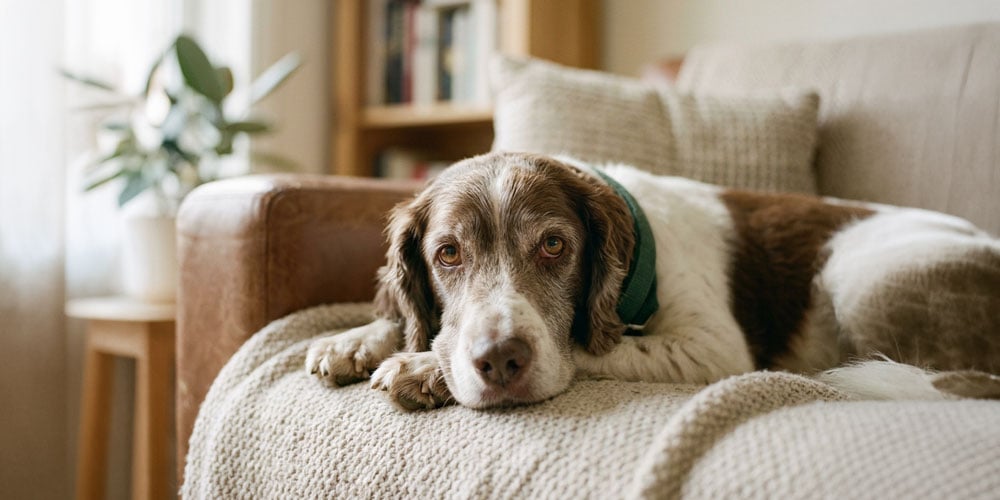
Your Dog Is Suddenly Very Quiet
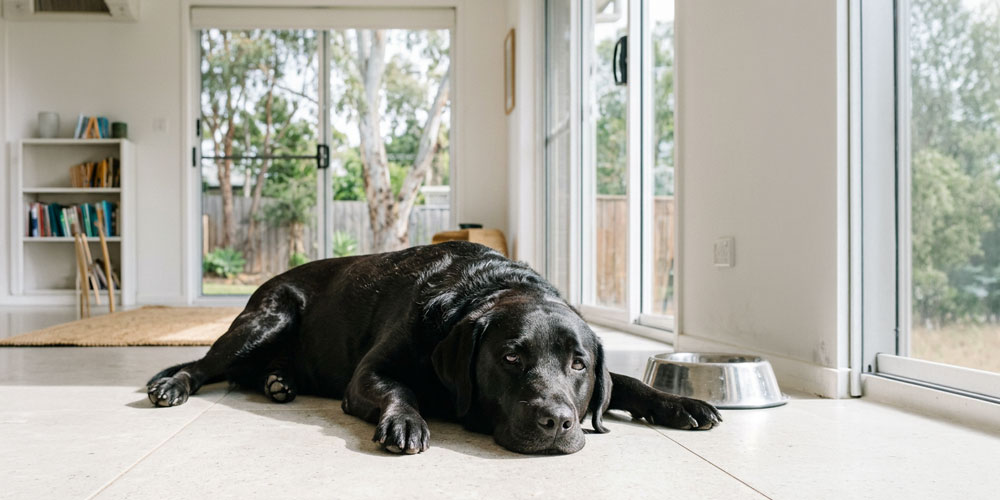
Sometimes the first sign that something isn't right isn't vomiting, diarrhoea or an obvious injury. Your normally enthusiastic dog might simply become unusually quiet.
You might notice they:
- Don't greet you as usual
- Sleep significantly more
- Avoid play or walks
- Hide or seek an unusual place to rest
- Seem reluctant to move
- Don't respond normally to things they usually enjoy
Lethargy can occur with many different health problems. If the change is sudden, pronounced or accompanied by another symptom, contact your veterinarian.
Your Dog Is Limping or Doesn't Want to Move
Before assuming your dog has simply overdone their exercise, gently look for an obvious cause.
Check their paws for cuts, swelling, broken nails, grass seeds or objects caught between the toes. Avoid repeatedly bending or manipulating a painful leg, as this could make an injury worse.
A mild limp that resolves quickly may not be an emergency, but severe pain, inability to bear weight, obvious swelling, trauma or a limp that persists should be assessed by a veterinarian.
Your Dog Is Drinking Much More Than Usual
Hot weather and increased exercise can naturally make dogs thirstier, but a noticeable and unexplained increase in drinking shouldn't be ignored.
Increased thirst and urination can occur with several medical conditions. Rather than restricting access to water, keep fresh water available and speak with your veterinarian if the change continues or seems significant.
Could Your Dog Have Eaten Something They Shouldn't?
If your dog suddenly becomes unwell, think back over the previous few hours.
Could they have accessed:
- Human medications
- Chocolate or other unsafe foods
- Household cleaning products
- Garden chemicals or pesticides
- Compost or rubbish
- Potentially toxic plants
- A toy, sock, bone or another object they could swallow
If poisoning or ingestion of a foreign object is possible, don't wait for symptoms to become severe. Contact your veterinarian or an appropriate animal poison service for advice. Don't attempt to make your dog vomit unless a veterinary professional specifically instructs you to do so.
Know the Signs That Shouldn't Wait
Some symptoms require urgent veterinary attention.
Seek veterinary help immediately if your dog experiences:
- Difficulty breathing or obvious breathing distress
- Collapse, severe weakness or inability to stand
- Seizures
- A swollen or rapidly enlarging abdomen, particularly with unsuccessful attempts to vomit
- Uncontrolled bleeding
- Repeated or severe vomiting
- Suspected poisoning
- Severe pain or distress
- Major trauma, including being hit by a vehicle
- Difficulty or inability to urinate
- Pale, blue or unusually coloured gums
If you're unsure whether something is an emergency, calling your veterinarian is always appropriate. They can help determine how urgently your dog needs to be assessed.
What Information Should You Give Your Vet?
The more information you can provide, the easier it is for your veterinary team to understand what's happening.
Before calling, make a quick note of:
- When the symptoms started
- What symptoms you've noticed
- How many times your dog has vomited or had diarrhoea
- When they last ate and drank
- Whether they are urinating normally
- Any medications or supplements they take
- Anything unusual they may have eaten
- Any recent changes to food, routine or environment
Photos or short videos can also be useful for symptoms that may not happen once you're at the clinic, such as unusual walking, coughing or intermittent behaviour.
Don't Reach for the Human Medicine Cabinet
When your dog seems uncomfortable, it can be tempting to give them something you already have at home.
Don't give your dog human painkillers, stomach medications or other medicines unless your veterinarian has specifically told you the product and dose are safe for that individual dog. Some common human medications can be dangerous or toxic to pets.
Should You Wait and See?
There isn't one rule that applies to every dog or every symptom.
Your dog's age, medical history, the severity of their symptoms and how quickly things are changing all matter. A mild symptom in an otherwise bright adult dog may warrant monitoring, while the same symptom in a young puppy, senior dog or dog with an existing medical condition may need veterinary attention sooner.
If you do monitor your dog at home, keep a close eye on whether they're improving, staying the same or getting worse. Set yourself a clear point at which you'll contact the vet rather than continuing to wait indefinitely.
Being Prepared Makes a Stressful Moment Easier
You can't prevent every upset stomach, injury or unexpected illness, but you can make these situations easier to manage.
Keep your regular vet and nearest emergency vet contact details somewhere easy to find, maintain an appropriate pet first aid kit, keep medications and dangerous household products securely stored, and stay consistent with preventative healthcare such as parasite protection and routine veterinary checks.
Most importantly, become familiar with what's normal for your dog. Their appetite, energy, drinking, toileting and behaviour can all provide useful clues when something changes.
Summary
When your dog suddenly seems unwell, look at their overall behaviour rather than focusing on one symptom alone. Check whether they're eating, drinking, moving and breathing normally, consider anything unusual they may have been exposed to, and watch for signs that require urgent veterinary attention. If you're concerned or simply aren't sure what to do next, contact your veterinarian for advice. When it comes to your dog's health, it's always better to ask than to guess.