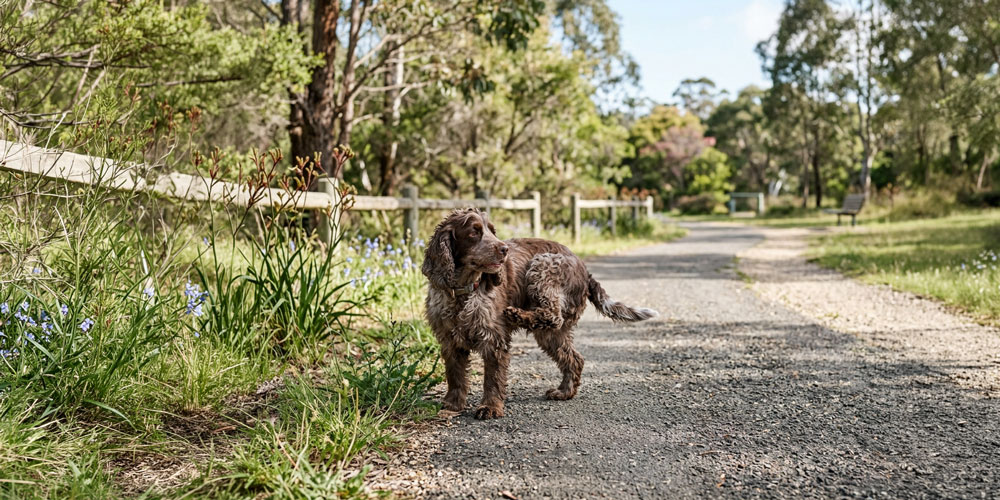
Spring means warmer days, longer walks and more time outdoors with our pets. But while we might be ready to say goodbye to winter, the change of season can bring a few less-welcome surprises for dogs and cats.
Warmer weather, new plant growth and increased time outdoors can affect everything from parasite exposure to itchy skin. Some pets may suddenly start scratching, licking or shedding more, while others encounter fleas or ticks as their outdoor adventures increase.
The good news? Knowing what to watch for can help you stay one step ahead. Here are some of the common pet problems that can become more noticeable as spring arrives, and what you can do to help.
1. Fleas Can Quickly Become a Bigger Problem
Fleas thrive in warm, humid conditions, which means spring can create favourable conditions for flea populations to increase.
And it doesn't take many fleas to cause trouble. A single female flea can lay numerous eggs, which can fall from your pet into carpets, bedding, furniture and other areas of the home.
Signs of fleas can include:
- Frequent scratching or biting at the skin
- Small red or irritated areas
- Hair loss from excessive scratching
- Dark specks of flea dirt within the coat
- Restlessness or difficulty settling
Some pets are particularly sensitive to flea bites and may develop flea allergy dermatitis, where even a small number of bites can cause significant itching.
Consistent flea prevention is much easier than trying to manage an established infestation. Make sure every suitable pet in the household is protected according to their product schedule, and regularly wash pet bedding and vacuum areas where your pets spend time.
2. Tick Exposure Can Increase With Outdoor Adventures
Spring often means more walks, camping trips, weekends away and time exploring parks, bushland and backyards.
Unfortunately, these environments can also increase your pet's exposure to ticks.
In Australia, paralysis ticks are particularly important because their toxin can cause serious and potentially life-threatening illness in pets.
Even when your pet uses tick prevention, regular physical checks are a valuable habit. Run your fingers slowly through their coat and pay particular attention to the head, neck, ears, lips, shoulders and front legs, while remembering that ticks can attach anywhere on the body.
If you find a tick or notice signs such as weakness, wobbliness, vomiting, changes to your pet's breathing or a change in their bark or meow, seek veterinary advice promptly.
3. Spring Can Mean More Itchy Skin
If your dog suddenly seems much itchier as the weather warms up, spring may be playing a role.
Environmental allergens such as grass, pollen, plants and mould can contribute to skin irritation in sensitive pets. Dogs may be exposed simply by walking through grass, rolling outside or spending more time in the backyard.
Watch for:
- Frequent scratching
- Licking or chewing the paws
- Rubbing the face
- Red or irritated skin
- Recurring ear irritation
- Hair thinning or loss
There are several possible causes of itchy skin, including parasites, allergies and infections, so don't assume pollen is automatically responsible.
If itching is persistent, severe or causing damage to your pet's skin, speak with your veterinarian so the underlying cause can be identified.
4. Paws Can Take a Beating
More time outdoors also means more contact with grass, dirt, sand and walking surfaces.
For dogs with sensitive skin, paws can become particularly irritated during spring. You might notice your dog licking between their toes, chewing their paws or developing redness around the pads.
Checking their paws after walks is a simple habit that can help you notice problems earlier. Look between the toes and around the pads for grass seeds, small cuts, swelling or anything that shouldn't be there.
After walks through grass or areas with lots of vegetation, gently wiping or rinsing your dog's paws can also help remove dirt and environmental allergens from the skin.
5. Grass Seeds Can Cause More Trouble Than You Think
Spring growth means grass seeds become something dog owners should pay particular attention to.
Their pointed shape can allow them to become caught in fur and potentially work their way into the skin. Common problem areas include between the toes, around the ears, under the legs and anywhere with longer fur.
After walks through long grass, check your dog's coat thoroughly and remove loose seeds before they have the opportunity to cause trouble.
Sudden head shaking, persistent paw licking, swelling, limping or obvious discomfort after a walk can warrant veterinary attention.
6. Seasonal Shedding May Suddenly Ramp Up
Not every spring change is a health problem.
Some dogs and cats naturally shed more as the seasons change, which can suddenly leave your clothes, couch and floors covered in significantly more fur.
Regular brushing helps remove loose hair before it ends up around your home. It also gives you an opportunity to check your pet's skin for lumps, bumps, ticks, irritation or other changes you may not otherwise notice.
The amount a pet sheds varies considerably between breeds and individuals. However, sudden bald patches, excessive hair loss or irritated skin should not simply be dismissed as seasonal shedding.
7. More Outdoor Time Can Mean More Unexpected Snacks
Spring gardens can be very tempting for curious dogs and cats.
Plants, fertilisers, compost, mushrooms, garden chemicals and pest-control products can all pose risks depending on what your pet encounters.
Before letting your pet roam around the backyard, check that garden products are stored securely and research whether new plants are pet-safe.
Dogs that love investigating everything with their mouths may need particularly close supervision.
If you suspect your pet has eaten something potentially toxic, contact your veterinarian or an appropriate animal poison service promptly rather than waiting for symptoms to appear.
8. Spring Adventures Can Be More Tiring Than Expected
After quieter winter routines, it's tempting to jump straight back into long walks, hikes and big days outdoors.
However, your pet's fitness may have changed over winter too.
Build activity levels back up gradually, particularly for senior dogs, overweight pets or animals that have been less active during the cooler months.
As temperatures increase, carry water, provide regular breaks and avoid strenuous exercise during hotter parts of the day.
Your Spring Pet Checklist
A few simple habits can make the transition into spring much easier:
- Check that flea, tick and worm prevention is up to date
- Perform regular tick checks, particularly after outdoor adventures
- Check paws and coats after walking through long grass
- Watch for increased scratching, licking or skin irritation
- Brush regularly to manage seasonal shedding
- Keep garden chemicals and potentially harmful products out of reach
- Gradually increase exercise after a quieter winter
- Contact your veterinarian when something doesn't seem right
You don't need to spend spring worrying about everything that could go wrong. A little preparation means you can spend more time enjoying the warmer weather with your pet and less time dealing with unwanted seasonal surprises.
Summary
Spring brings plenty for pets to enjoy, but warmer weather and increased outdoor activity can also bring fleas, ticks, itchy skin, grass seeds and other seasonal challenges. Staying consistent with parasite prevention, checking your pet after outdoor adventures and paying attention to changes in their skin, coat and behaviour can help keep them comfortable, protected and ready to enjoy spring with you.