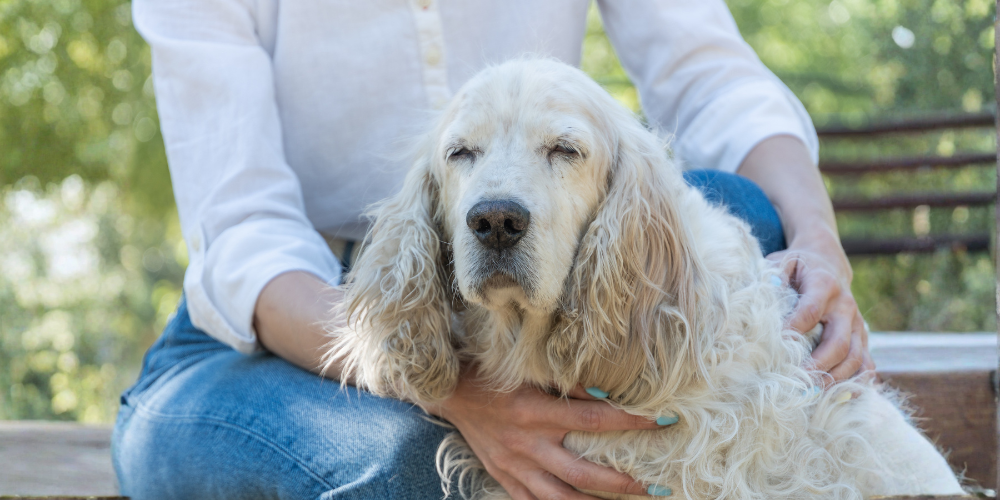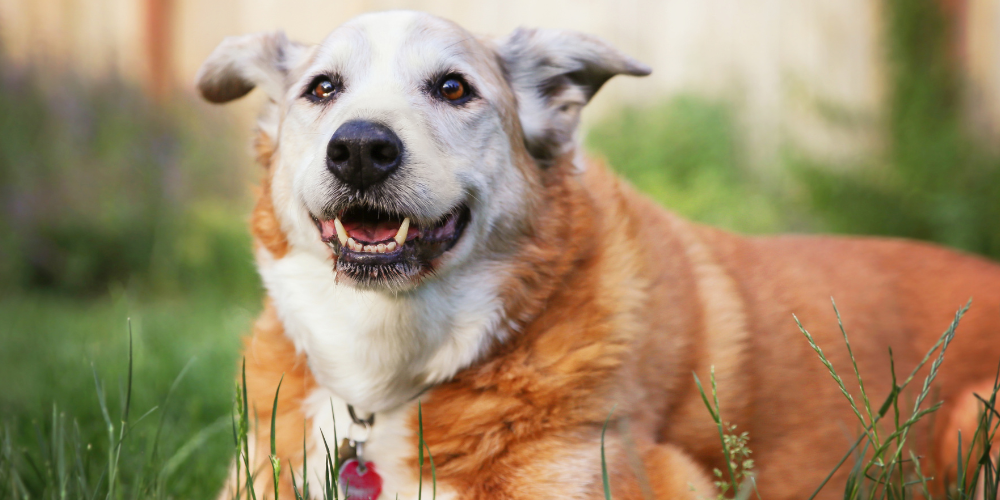
As dogs get older, it is normal for their energy levels to shift. They might nap more, take their time getting up, or lose interest in long walks. But sometimes what looks like “just slowing down” can actually be discomfort hiding in plain sight.
Because dogs cannot tell us when something hurts, small changes in behaviour often give the first clues. Here are seven signs to watch for if you are unsure whether your dog is simply ageing or dealing with pain.
1. Reluctance to jump or climb stairs
If your dog used to jump onto the couch without thinking and now hesitates, it may not be laziness. Difficulty jumping, climbing stairs, or getting into the car can signal joint discomfort or stiffness.
Watch for subtle pauses before movement or choosing easier routes around the house.
2. Slower to stand up or lie down
Taking longer to rise from rest is one of the most common early signs of joint pain. You may notice your dog shifting weight, adjusting their position repeatedly, or pushing up slowly from the front legs first.
Occasional stiffness can happen, but consistent difficulty deserves attention.
3. Changes in walking pattern
A slight limp, uneven stride, or “bunny hopping” motion in the back legs can indicate discomfort. Some dogs shorten their stride or move more cautiously without an obvious limp.
Even subtle changes in gait are worth noting.
4. Sleeping more than usual
Older dogs do sleep more, but excessive sleep combined with reduced interest in activities may suggest something more than simple ageing.
If your dog seems withdrawn or less engaged, it may be their way of coping with discomfort.
5. Behaviour shifts
Pain can change temperament. A normally easy-going dog may become irritable, avoid being touched in certain areas, or growl when approached while resting.
Some dogs become clingier, while others isolate themselves. Sudden personality changes should not be ignored.
6. Licking or chewing one area
Repeated licking of joints, paws, or hips can be a sign of underlying soreness. Dogs often focus on the area that feels uncomfortable.
This behaviour can easily be mistaken for grooming or boredom.
7. Loss of interest in favourite activities
If your dog no longer gets excited about walks, playtime, or greeting visitors, discomfort may be playing a role.
A general drop in enthusiasm is often one of the earliest warning signs.
Ageing versus pain
Ageing naturally brings changes in stamina and recovery time. However, ongoing stiffness, repeated limping, visible discomfort, or clear behavioural shifts are not just “old age.”
Early assessment and support can significantly improve comfort and quality of life.
When to speak with your vet
If you notice persistent changes in movement, behaviour, appetite, or energy levels, it is worth booking a check-up. Many causes of discomfort, including arthritis, are manageable when identified early.
Trust your instincts. You know your dog’s normal better than anyone.
Summary
It can be difficult to tell the difference between normal ageing and pain in dogs. Reluctance to jump, slower movement, gait changes, behaviour shifts, and loss of enthusiasm can all signal discomfort. Paying attention to subtle changes allows you to act early and support your dog’s comfort and wellbeing.