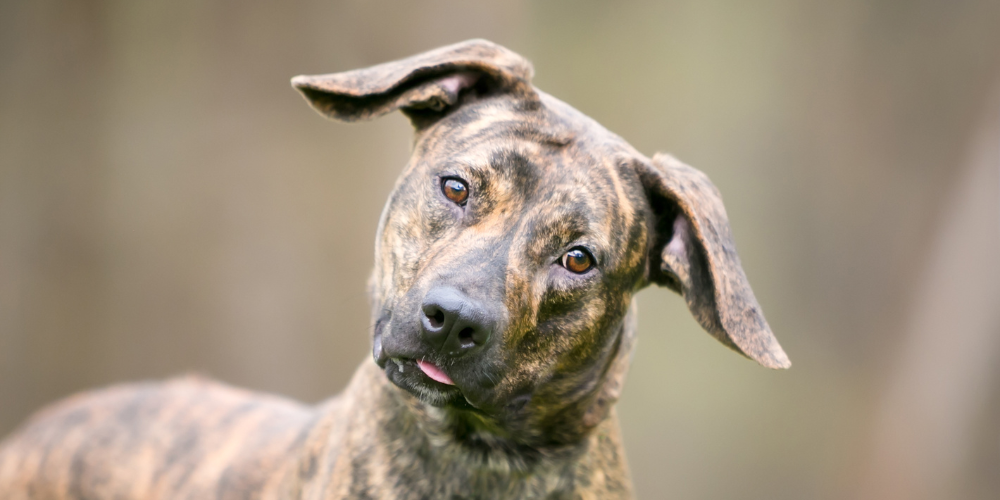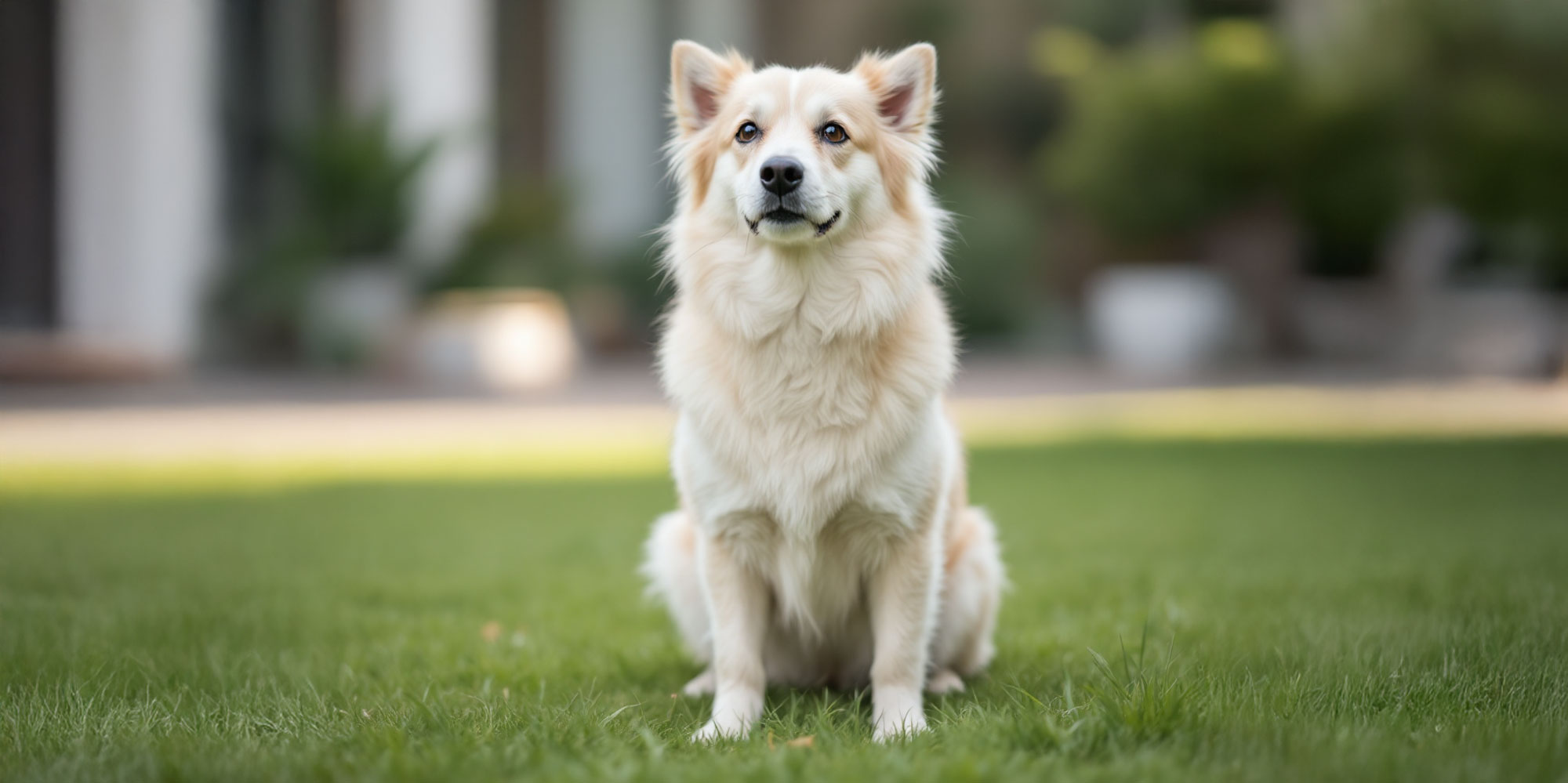
Dogs do a lot of little things that seem random, funny, or even slightly annoying. Sitting on your feet, following you around, staring at you for no reason. Most of the time, we brush these behaviours off as just “dog things.”
But many of these everyday habits actually have meaning behind them. Understanding what your dog is trying to communicate can help you better respond to their needs and strengthen your bond.
Sitting on your feet
If your dog constantly sits or leans on your feet, it is usually a sign of comfort and connection. They are choosing to stay close to you because you make them feel safe.
It can also be a subtle way of keeping track of you. If you move, they will know immediately.
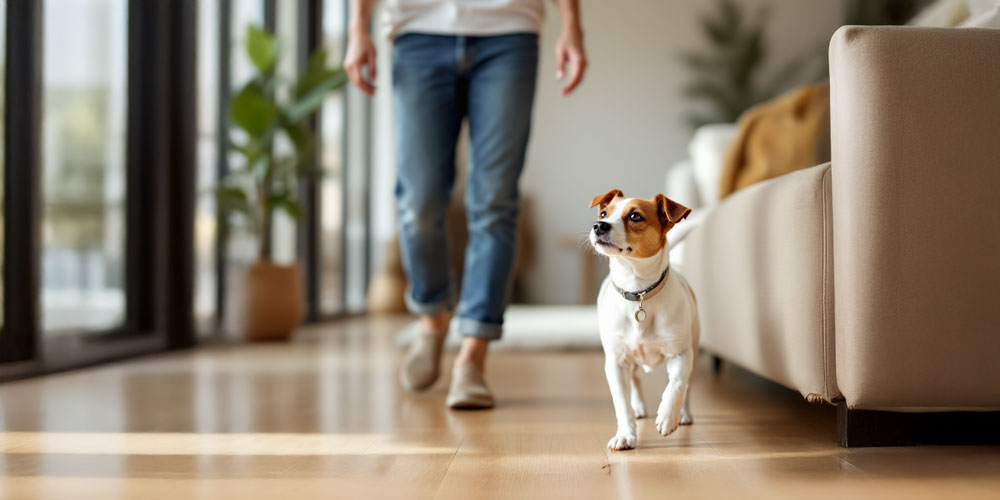
Following you from room to room
This behaviour often comes down to curiosity and routine. Dogs like to stay where the action is, and you are usually the most interesting thing in the house.
It can also be a sign of attachment, especially in dogs that have formed a strong bond with their owner.
Bringing you toys but not playing
This one confuses a lot of owners. Your dog drops a toy at your feet, then just stares at you.
Sometimes they are inviting interaction, but other times it is simply a way of sharing something they value. It can also be attention-seeking behaviour.
Sleeping near doors or pathways
Dogs often choose sleeping spots where they can see what is going on. Lying near doors or hallways allows them to stay aware of movement in the home.
It is also linked to their natural instinct to protect and monitor their environment.
Staring at you
It might feel intense, but staring is often a form of communication. Your dog could be waiting for a cue, asking for something, or simply trying to understand what you are doing.
In many cases, it is also a sign of attention and connection.
Sudden zoomies
Random bursts of energy, often in the evening, are completely normal. Zoomies are usually a way for dogs to release built-up energy or excitement.
They are more common in younger dogs but can happen at any age.
Resting their head on you
This is one of the simplest signs of trust. When your dog rests their head on you, they are seeking comfort and closeness.
It is also a way for them to feel secure in their environment.
When behaviour might mean something more
Most of these habits are completely normal. However, sudden changes in behaviour, increased clinginess, or signs of distress may indicate that something else is going on.
Paying attention to patterns and changes can help you spot when your dog might need extra support.
Summary
Everyday dog behaviours often have meaning behind them. Sitting close, following you, staring, or bringing toys are all ways dogs communicate and connect. While most habits are normal, understanding them can help you better support your dog and recognise when something might be off.