At home, your dog might be calm, affectionate, and perfectly behaved. But the moment you walk into the vet clinic, it can feel like you are dealing with a completely different dog.
Suddenly they are shaking, hiding, barking, pulling on the lead, or refusing to move at all. Many owners are surprised or even embarrassed by the sudden change in behaviour.
The truth is, this reaction is very common. Vet clinics are full of unfamiliar sights, smells, and sounds that can make even confident dogs feel unsure.
Here are some of the reasons your dog may act completely different at the vet.
Unfamiliar smells and sounds
A vet clinic is a sensory overload for dogs. Their powerful sense of smell can pick up the scent of other animals, medical equipment, disinfectants, and even stress hormones from other pets.
Combine that with strange noises like clippers, cages, or unfamiliar voices, and the environment can quickly feel overwhelming.
Past experiences
Dogs have strong memories when it comes to stressful situations. If a previous vet visit involved injections, restraint, or discomfort, they may begin to associate the clinic with those experiences.
This can make them anxious before anything has even happened.
They sense your emotions
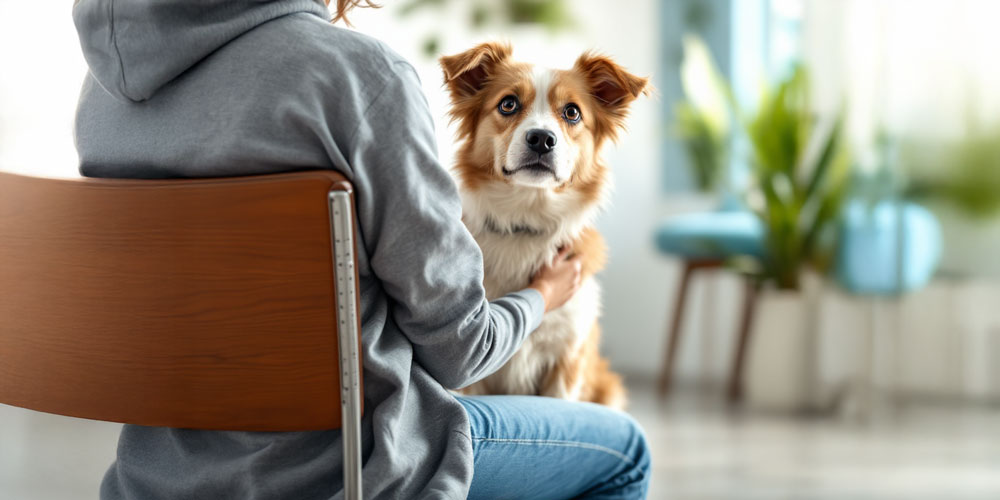
Dogs are extremely good at reading human body language and emotion. If you are feeling nervous about the appointment, your dog may pick up on those signals.
Even subtle changes in your tone or posture can influence how they react.
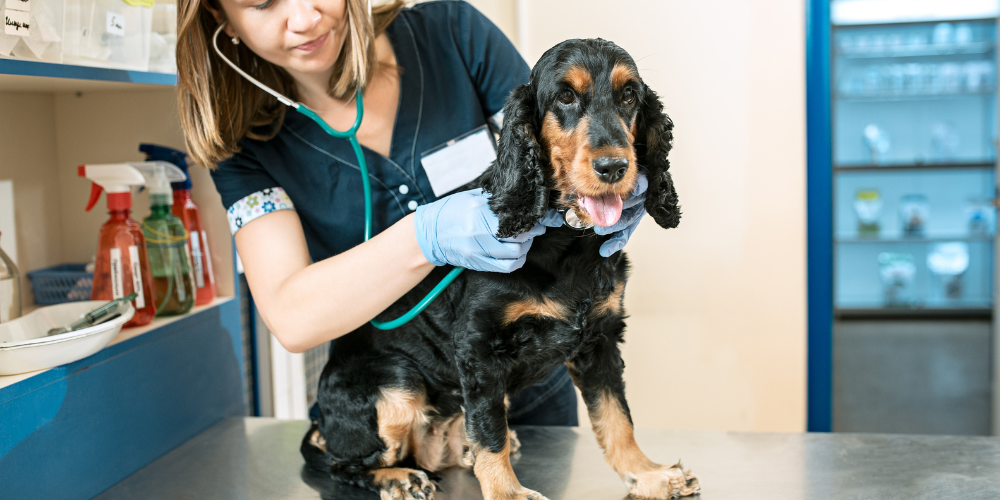
Being handled by strangers
Most dogs are comfortable being touched by their owners, but being examined by unfamiliar people can feel confronting.
Vets and nurses often need to check paws, ears, teeth, and joints. While necessary, this level of handling can make some dogs feel vulnerable.
Restraint and limited movement
Dogs that are used to moving freely may become uncomfortable when they are placed on an examination table or gently restrained for a procedure.
This can trigger a stress response, especially in dogs that like to stay in control of their environment.
Travel stress
For some dogs, the stress starts long before they arrive at the clinic. Car rides, unfamiliar travel crates, or the change in routine can increase anxiety.
By the time they arrive at the vet, their stress levels may already be elevated.
How to help your dog feel calmer at the vet
While some nervousness is normal, there are simple ways to make vet visits easier for both you and your dog.
- Keep your voice calm and reassuring
- Bring familiar treats or toys for positive reinforcement
- Practice gentle handling at home so your dog becomes comfortable with touch
- Arrive early to allow your dog time to settle
- Consider calming support if your dog struggles with vet visits
Many vet clinics also welcome short “happy visits” where dogs can stop by briefly without an examination. This helps them build positive associations with the environment.
Summary
If your dog acts completely different at the vet, you are not alone. Unfamiliar environments, past experiences, travel stress, and new handling can all influence their behaviour. With patience, preparation, and positive experiences, vet visits can become far less stressful for both you and your dog.